
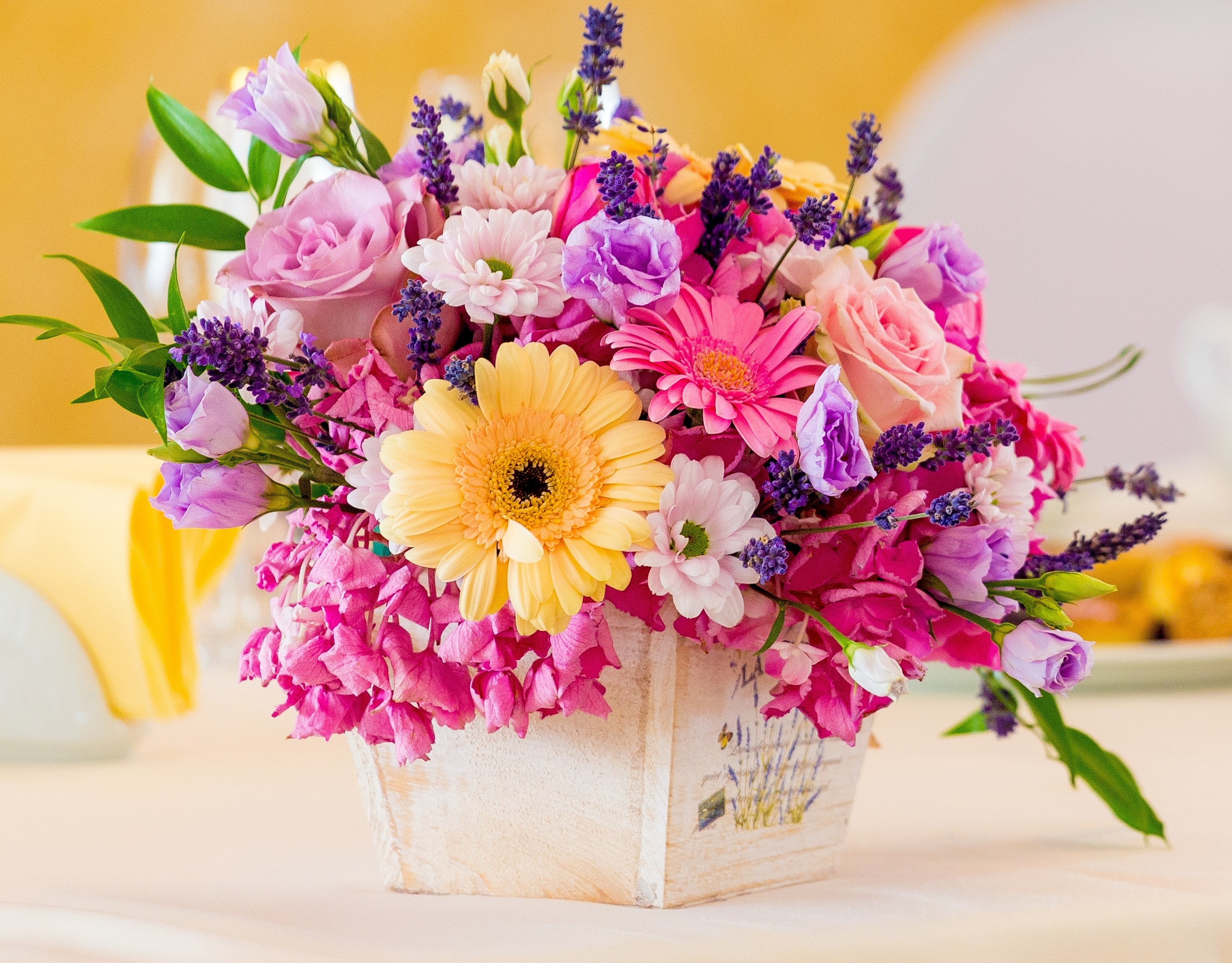
Whether it be a budding, new relationship bouquet of clematis, rose, and dill, or a get-out-of-the-doghouse one of narcissus and daisy. Flowers speak a language of their own and all flowers have their own language.
Some Flower History
Lady Mary Wortley Montague, wife of the British ambassador to Constantinople, introduced the language of flowers [floriography] to the European aristrocrats during the early 18th century. Symbolic meanings were attached to flowers, and by arranging them in a bouquet or ‘tussie-mussie’, a message was conveyed. “Le Language des Fleurs” by Madame Charlotte de la Tour (Louise Cortambert), was the first book written on floriography and is still a great reference.
If the meaning wasn’t a secret, written cards would be attached to the arrangement.
Sadly, with floriography falling out of fashion, the purpose of cards became a more practical option to share personal expressions.
The Guide
Below is a guide to some popular flower varieties, but be aware that interpretations often change from place to place. Wanna deep dive? Go here.
Azalea = Temperance
Basil = Love / Hate
Camellia = Excellence
Carnation = Divine love
Chrysanthemum = Longevity
Clematis = Mental Beauty
Dahlia = Instability
Daisy = Innocence
Dill = Irresistibly
Forget-me-not = Remembrance
Geranium = Melancholy
Gladiolus = Generosity
Iris = Good News
Hydrangea = Boastfulness
Jasmine = Separation
Lavender = Distrust
Lilac = New love
Lily = Majesty
Marigold = Grief
Mock Orange = Deception
Narcissus = Egotism
Orange Blossom = Chastity
Pansy = Fond Memories
Parsley = Festivity
Red Rose = Love / Beauty
Pink Rose = Happiness / Joy
Yellow Rose = Infidelity / Friendship
White Rose = Purity / Silence
Rosemary = Remembrance
Sweet William = Gallantry
Thyme = Courage
© Wellness Garden Services